

Models & Red Flags: What to Watch for Before a Photo Shoot
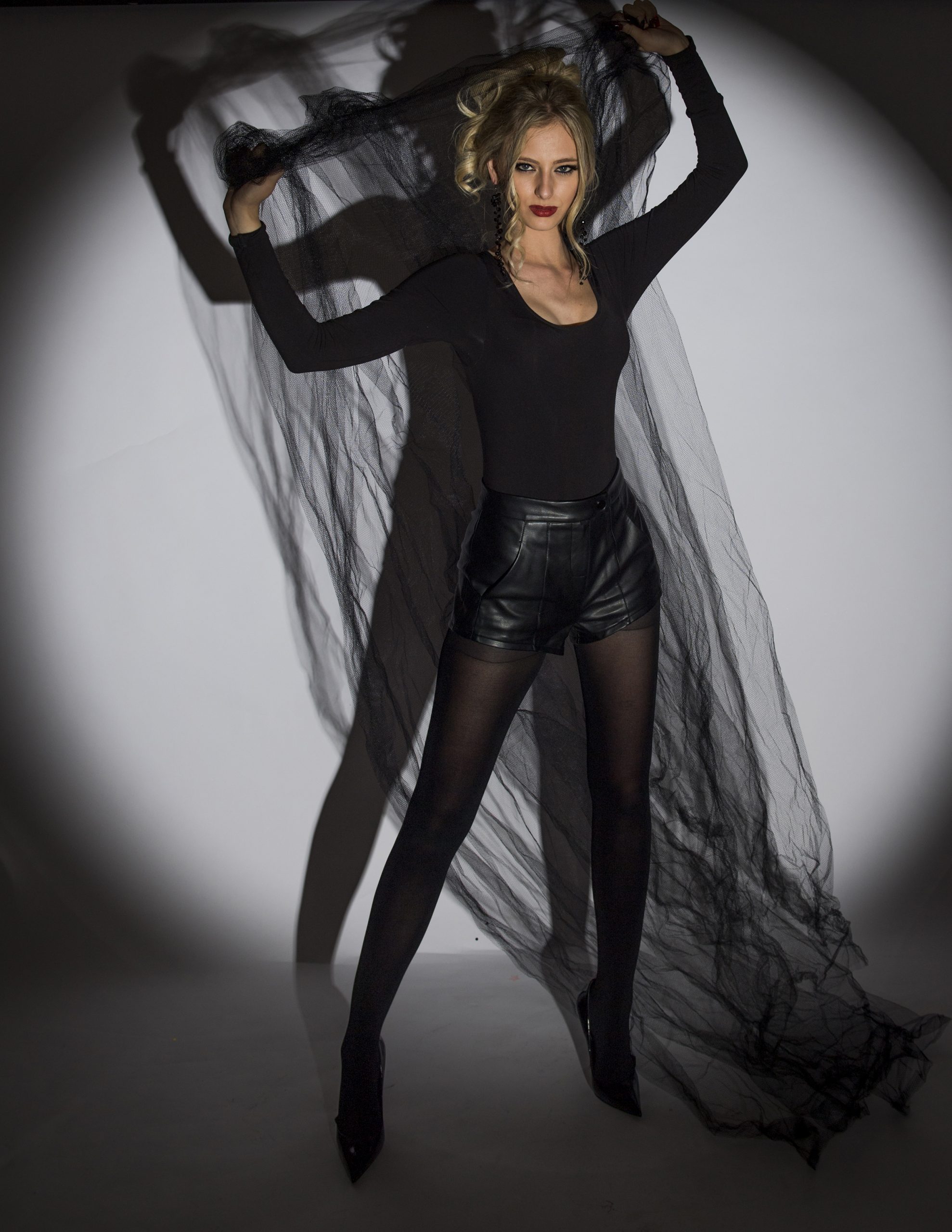
Creative studio fashion photography by Brody Hall Photography.
You post a photograph of yourself online and announce that you want to get into modeling. And suddenly, the floodgates open! Instagram messages, Facebook messages, emails, TFP offers, paid shoots, photographers wanting to collaborate—and probably a few scams thrown in for good measure. Everybody wants to photograph you!
But who should you work with? How do you know they’re legitimate? And most importantly, how do you know you’re going to be safe?
After 35 years as a professional photographer, I’ve worked with hundreds of models and heard more than a few horror stories. So, let’s talk about photographer red flags, what to look for, what to avoid, and what really qualifies as a warning sign.
FIRST! Do Your Homework!
1. Find a Photographer Who Shoots What You Want
If you’re interested in fashion photography, don’t book someone whose entire portfolio is boudoir photography. If you want studio portraits, find someone who knows how to work with studio lighting. Look through their portfolio. Do you like their photographs? Can you picture yourself in those images? If not, keep looking! There’s nothing wrong with graciously declining an offer. Not every photographer is right for every model, and that’s perfectly fine.
2. Talk to Models They’ve Worked With
This is one of the best things you can do. One reason I credit the models I photograph is so other models can contact them. DO IT! Ask questions! Was the photographer professional? Was communication good? Did they respect boundaries? Did they deliver the promised photographs? How many images did the model receive, and how long did it take? Ask about the location, too. Was the studio clean? Was there a private changing area? Was it comfortable? You’d be surprised what you can learn from a five-minute conversation.
3. Ask Photographers You Trust
The photography and modeling communities can be surprisingly small. If you know photographers you trust, ask whether they’re familiar with the person you’re considering working with. Personally, I keep track of photographers and models I’ve had positive experiences with. A recommendation from someone you trust can be worth a lot.
4. Google Them!
Seriously. It takes two minutes. Look for their website, portfolio, social media, reviews, and professional history. You should be able to find enough information to feel comfortable with whom you’re meeting. Just the other day, I checked out a photographer’s web site that literally never mentions his name anywhere on the website. Not always a red flag, but who is gonna work with someone that won’t post their own name on their own website?
5. Trust Your Gut!
I can’t stress this enough. If something doesn’t feel right, ask questions. If the answers make you more uncomfortable, walk away. You don’t owe anyone a photo shoot. Better safe than sorry. Every single time. Model Safety First
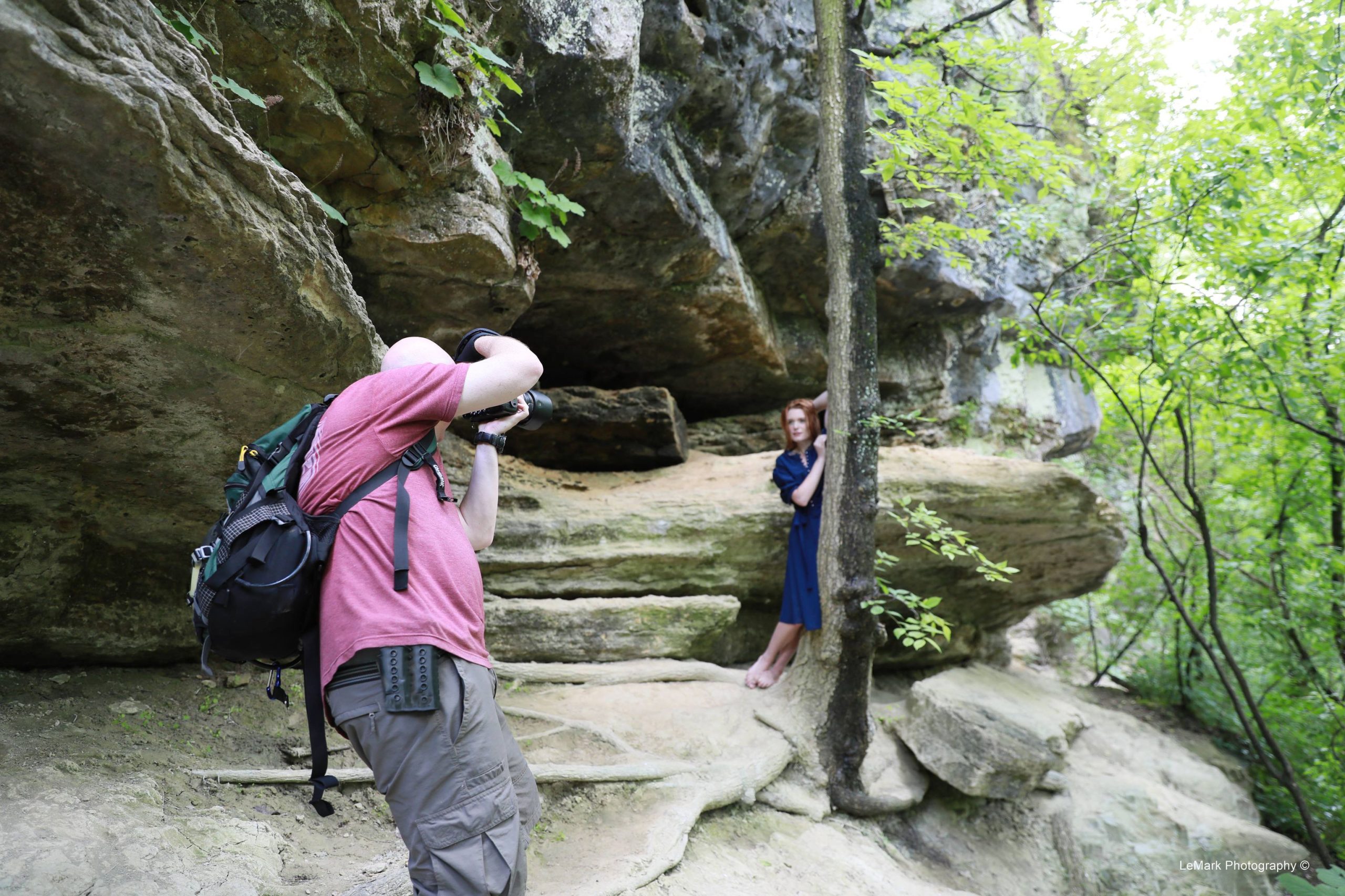
Behind the scenes with Brody Hall and model Abagail during an outdoor portrait session. Sometimes getting the perfect shot requires a little climbing!
The REAL Red Flags
1. Poor Communication
Before a shoot, both the photographer and model should understand what is expected. Where are you shooting? When? What style? What wardrobe? How long will it take? Who else will be there? You don’t want to show up expecting a fashion shoot only to discover the photographer brought ropes for a bondage session! Surprise!!! LOL!
Now, creativity is wonderful. I change directions during shoots all the time. Sometimes a model brings an idea that takes us somewhere completely unexpected. But there’s a difference between exploring an idea together and pressuring someone into something they never agreed to. Creative photography sometimes takes us well outside the ordinary. But no matter how unusual the idea, communication, professionalism, and safety always come first.
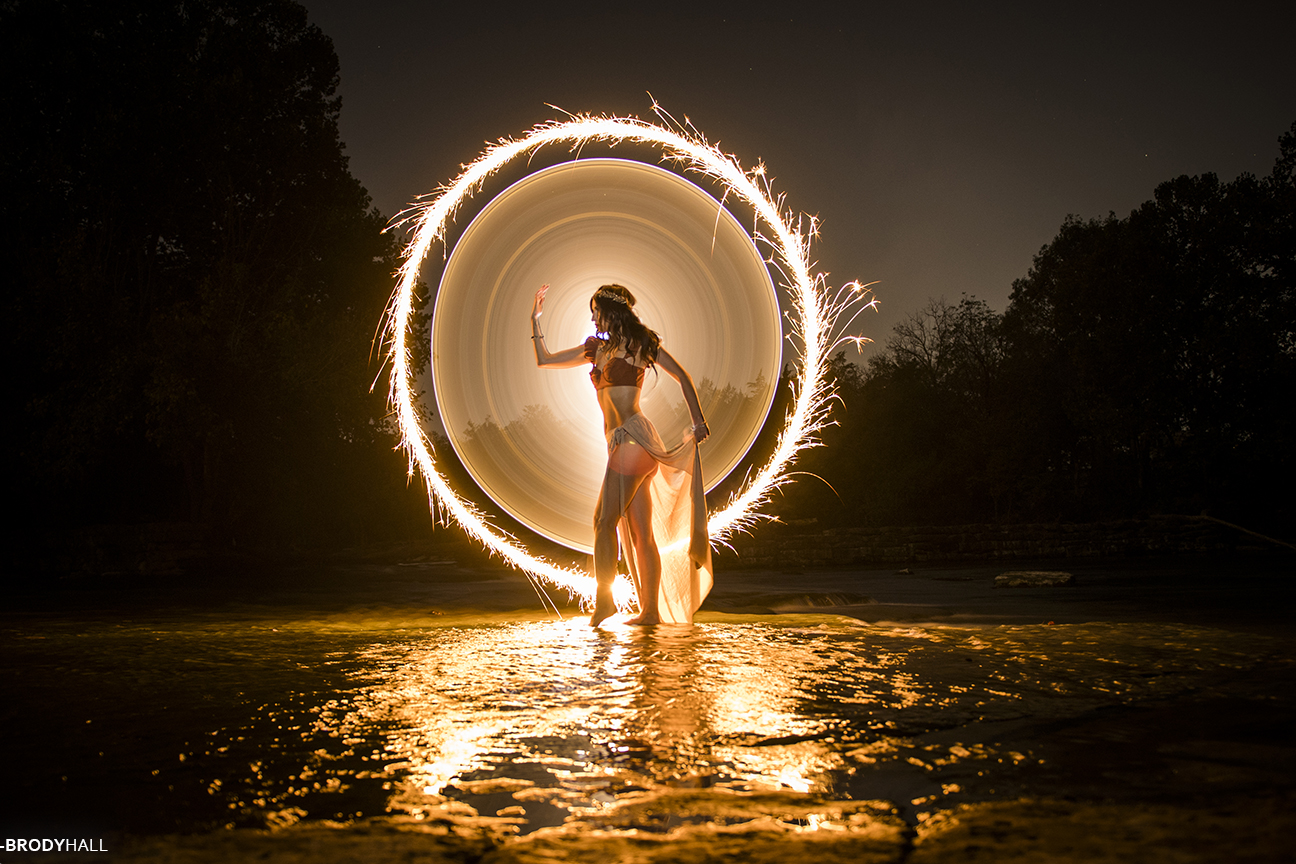
Creative photography can push boundaries without compromising professionalism or safety.
2. An Online Presence That Doesn’t Add Up
A photographer doesn’t need a massive following or an expensive website. But if they have almost no photographs to show, no references, inconsistent information, or a history they refuse to explain, I’d start asking questions. (Like having a website without your name on it! hint hint) Changing a business name isn’t really suspicious. People rebrand all the time. But a pattern of disappearing accounts, questionable explanations, and unhappy former collaborators deserves a closer look.
3. The Photographer Who’s an Expert at EVERYTHING!
I’ve been a professional photographer for 35 years. I’ve photographed weddings, professional sports, celebrities, corporate events, portraits, wildlife, and more. And you know what? I still stink at architecture and landscape photography! LOL!
A photographer can certainly be talented in several genres. But someone with two years of experience claiming to be the world’s greatest photographer at absolutely everything? I’d take that with a grain of salt. Look at the work, not their sales pitch.
4. Speaking in Absolutes
Photography is subjective. I might love a photograph that another photographer wouldn’t hang in their garage. That’s perfectly fine! But be cautious of someone who constantly declares that everyone else’s work is terrible or insists they’re the only photographer who knows how to do things correctly. Confidence is good. Arrogance? Not so much. This could be another one of those photographer red flags.
When I critique photographs, I try to make it clear that I’m offering my opinion. Because that’s what it is—an opinion. And don’t even get me started on art critics in black turtlenecks! LOL!
5. Toxic Behavior
This one’s pretty simple. Pay attention to how people treat others. If a photographer constantly insults models, publicly attacks other photographers, or creates unnecessary drama, ask yourself whether you want to be part of that environment. The same goes for models. I’ve seen incredibly talented people whose behavior made me decide I simply didn’t want to work with them.
Life’s too short. Photography should be enjoyable, not an invitation to the next social media war.
One important distinction: someone speaking publicly about genuine misconduct isn’t automatically being toxic. There’s a big difference between warning others about a legitimate safety concern and attacking people over personal disagreements.
6. Pressuring You to Change Your Boundaries
This is a BIG one. If you agree to shoot fashion, that’s what you should expect. If you agree to swimwear, nobody should pressure you into lingerie. And if you agree to artistic nude photography, the photographer still needs to respect the limits you’ve established. Your boundaries don’t disappear because someone has a camera. A professional photographer can suggest ideas. You can accept or decline them. It’s that simple.
7. No Clear Agreement About the Photographs
This is something newer models sometimes overlook. Before shooting, find out whether you’re being paid, paying the photographer, or collaborating on a TFP basis. How many finished photographs will you receive? When will they be delivered? Can you use them in your portfolio? Can the photographer publish or sell them? And what does the model release actually say?
Don’t sign something you haven’t read or don’t understand. Getting these details settled before the shoot prevents a lot of headaches afterward. I’m kinda old fashion, I rarely use releases (I probably should). I take people at their word. PPA Sample Contracts | Professional Photographers of America
Things That Are NOT Automatically Red Flags
Here’s where things get interesting! I’ve seen people label photographers as creepy or unprofessional for reasons that had absolutely nothing to do with their actual behavior. Let’s separate genuine warning signs from personal preferences.
1. Being Offended Doesn’t Automatically Mean Someone Did Something Wrong
I once knew a model who called a photographer creepy because he used a word she didn’t like during a group shoot. I knew the photographer. Excellent work, professional reputation, and no history of problems that I’d heard about. The comment wasn’t directed at her, but she found the language offensive.
Now, here’s the distinction. Being offended by someone’s language isn’t necessarily evidence that they’re unsafe. But repeated inappropriate comments, unwanted sexual remarks, harassment, or ignoring someone’s expressed discomfort? Those absolutely can be red flags. Context matters. Behavior matters. Patterns matter. And nobody should feel obligated to work with someone who makes them uncomfortable, regardless of the reason.
But let me stress, in my opinion, someone’s vocabulary is not a red flag.
2. A Photographer’s Artistic Style Is NOT a Red Flag
I once photographed an elephant’s trunk. A model saw the photograph, didn’t like it, and decided that made me creepy. Seriously! She literally told people that I was creepy because of an elephant’s trunk. Apparently, elephant photography is a dangerous business. LOL!
Look, you don’t have to like every photograph someone creates. I certainly don’t! But an unusual photograph, an unconventional concept, or a genre you personally dislike doesn’t automatically make the photographer suspicious. If you don’t like their work, don’t book them. Simple!
Of course, work that appears to involve exploitation, nonconsensual situations, or other genuine misconduct deserves more scrutiny. That’s different from merely disliking an artistic style.
3. Nervousness Before a Shoot Is NOT Necessarily a Red Flag
I’ve worked with plenty of models who were nervous before a shoot. Sometimes they’re worried about their appearance. Sometimes they’re questioning their posing ability. Sometimes they’re simply meeting a new photographer for the first time. That’s normal!
But there’s a difference between ordinary nerves and discomfort caused by someone’s behavior. If you’re nervous because you’re trying something new, talk it through. If you’re nervous because the photographer keeps pushing boundaries, changing arrangements, or making you feel unsafe, pay attention to that. Those are two very different situations.
Behind the Lens with Brody Hall
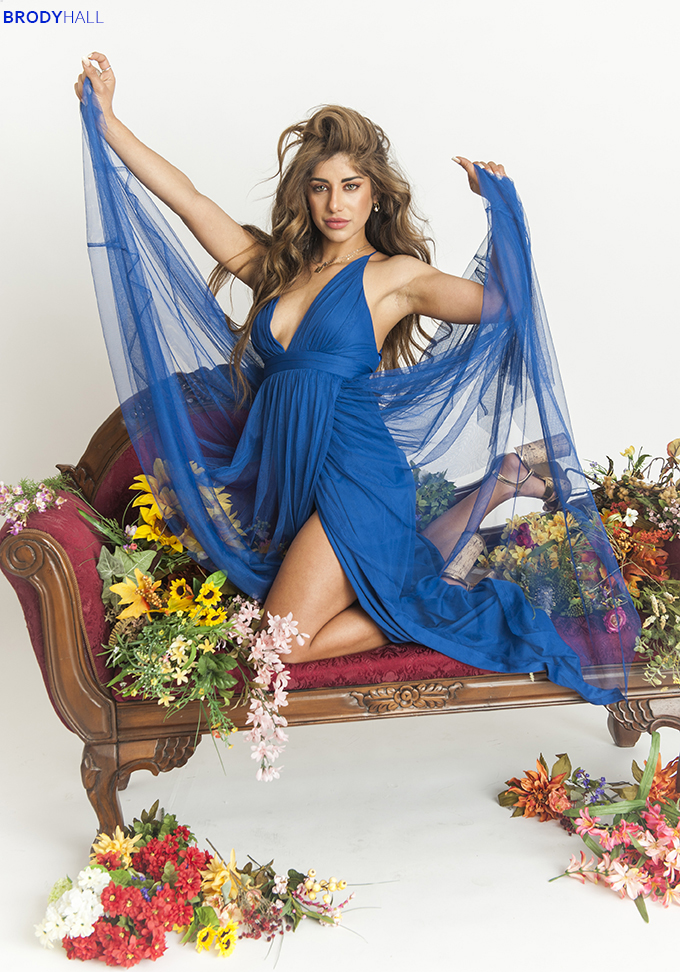
Great portrait photography is about creativity, collaboration, and making something memorable.
After 35 years behind a camera, I’ve learned that some of the best photographs come from collaborations where the photographer and model trust each other. When everyone is comfortable, ideas flow, creativity takes over, and the whole experience becomes something both people enjoy.
I’ve worked with some absolutely incredible models over the years. Some have become longtime collaborators and friends. I’ve also learned that not every photographer and model are a good match. And that’s okay!
Do your homework. Ask questions. Communicate clearly. Respect each other’s boundaries. And remember, a photographer’s talent doesn’t excuse bad behavior, and a disagreement doesn’t automatically make someone dangerous.
Use your judgment, trust your instincts, and work with people who make you excited about creating photographs, my galleries were so much fun to build. Modeling should be an amazing experience, and just plain fun!
— Brody Hall

2 Comments
Great perspective on this subject for sure. I’ve actually had someone label me as creepy when they had never worked with me or never even met me. Crazy world out there.
Seriously… everyone gets sooo offended nowadays. And getting called creepy is just par for the course… Sad! And that person is gonna have a tuff life, cause everything is going to offend them!