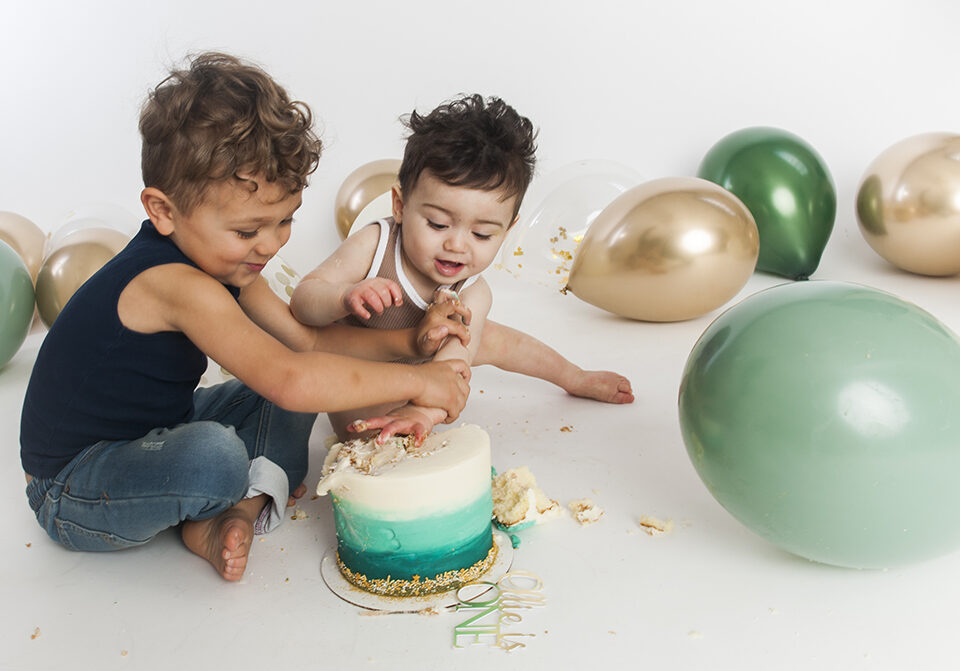
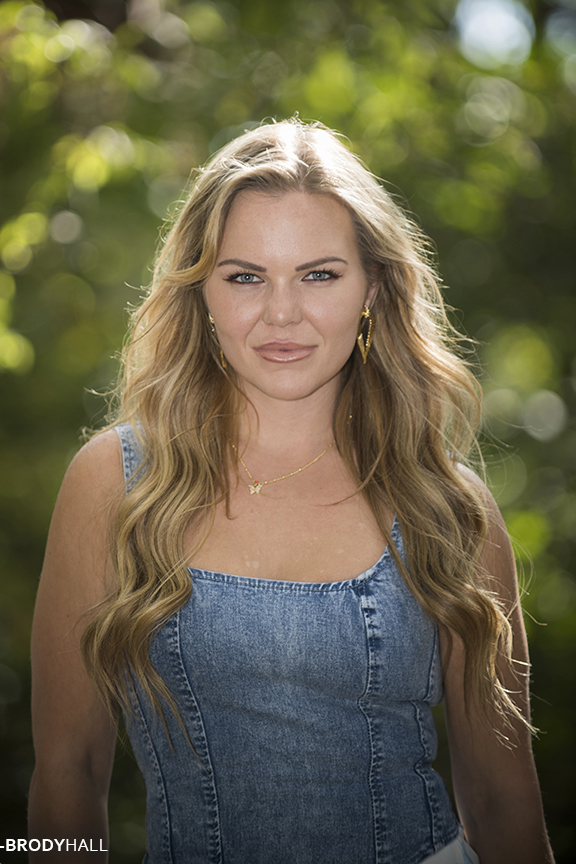
After more than 30 years as a professional photographer, here’s the first rule of photography I tell interns, students, second shooters, models, and pretty much anyone else who asks: There is no good or bad photograph. Photography is art. Art is subjective.
What you think is an incredible photograph, someone else may hate. What you think has bad lighting, a horrible pose, or terrible composition—someone else may absolutely love. And just like most man-made rules, there are exceptions to pretty much all of ’em. Spend five minutes in a photography group on Facebook, Instagram, or Model Mayhem and you’ll see exactly what I mean…
So often I see posts on social media declaring that a certain photograph is great, beautiful, amazing—or going the other direction and calling it terrible, horrible, or just plain bad. And, of course, everyone has a reason. The lighting is incredible. The model is amazing. The pose is perfect.
Or…
The shadows are horrible. The lighting is terrible. That pose doesn’t work.
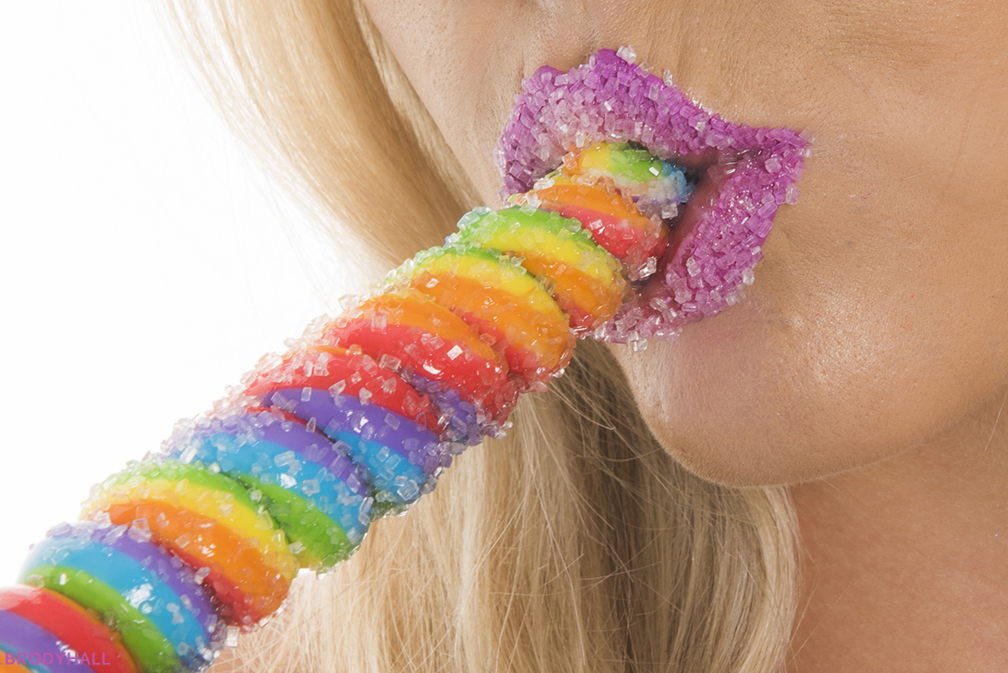
I once posted a photograph of a fully clothed model licking a lollipop, and someone called it porn. Of course, a few people immediately jumped on the bandwagon about how horrible and pornographic the image was. It was a fully clothed woman. With a lollipop. There is just no accounting for other people’s reactions.
So, What Actually Makes a Good Photograph?
Is it the lighting? Natural sunlight, strobes, LEDs? Does the genre matter? Nature, architecture, macro, portraits, boudoir, sports, events? Maybe it’s the subject. A beautiful model? An interesting person? An incredible landscape? Or maybe it’s the equipment. Nikon, Canon, Sony, Leica? DSLR or mirrorless? Expensive glass or a third-party lens?
And that brings me right back to my #1 rule: There is no universally good or bad photograph.
Photography certainly has technical principles. Lighting, exposure, composition, focus, color, posing—they all matter. But those are tools. They aren’t laws.
Your Opinion Isn’t a Fact
If you’re going to critique someone’s photography, I think three little words can make a huge difference: “In my opinion…”
Because ultimately, that’s what it is. You can explain why YOU don’t like the lighting. You can explain why YOU would have posed the subject differently. You can explain why YOU would have changed the composition. That doesn’t automatically make the photograph bad.
 Years ago, I was working a booth at a wedding expo when a woman walked up and told me I owed her $15. I nodded. She told me it was a city tax. I nodded. She explained that the tax had been enacted the year before and everyone had to pay it. I nodded again.
Then she stood there. And waited. And waited… Finally, she asked if I was going to give her the money. I looked at her and said, “No.”
I didn’t know who she was. She hadn’t given me her name, shown me identification, or explained what authority she had to collect anything. She simply walked up to my table and announced that I owed her money.
Sometimes photography critiques on the internet remind me of that woman. When someone announces: “This is bad photography.” Okay. Who are you? More importantly, what makes your opinion a fact? It isn’t. It’s an opinion.
Why I Don’t Put Much Stock in Contests
This is also one reason I’ve never been particularly interested in photography contests. I don’t need two or three people deciding whether my photograph is “good” or “bad.” If Judge John Doe doesn’t like my photograph, that doesn’t suddenly make it a bad photograph.
And if I win first place? That doesn’t magically make it a good one. It means those particular judges liked it.
I’ve told models the same thing about magazine submissions because models tend to take rejection much more personally. If one magazine doesn’t publish your photographs, that doesn’t mean another dozen wouldn’t love them.
And the reverse is also true. Getting published doesn’t mean everyone is going to love the photographs. Editors have standards and guidelines they have to follow, but eventually a human being looks at an image and makes a decision. And somewhere in that decision is personal taste based on personal experiences.
So What Makes a Good Photograph?
After all these years, my answer is surprisingly simple: Did you get the photograph you were trying to create? Before you pushed the shutter, did you have an image in your head? Did you envision the light? The shadows? The pose? The expression? The background? Did you know where you wanted the viewer’s eye to go? And when you looked at the finished photograph, did you create what you saw in your imagination?
That’s a good photograph. Not because you got lucky. Not because you owned an expensive camera. Not because you had a beautiful model standing in front of you. You prepared for it. You collaborated. You made decisions. And you executed the idea.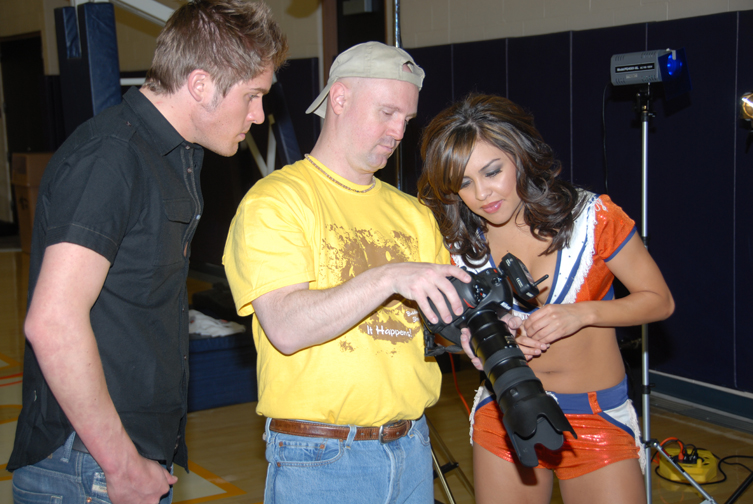
Sometimes those decisions even mean deliberately breaking the “rules.” That’s one of the things I love about photography. You aren’t creating an image for every photographer on Facebook. You’re creating your image. If someone else loves it, fantastic. If they don’t? That’s okay too.
After all… That’s just their opinion.
And one more thing… Everything I just wrote?
That’s just my opinion, too.